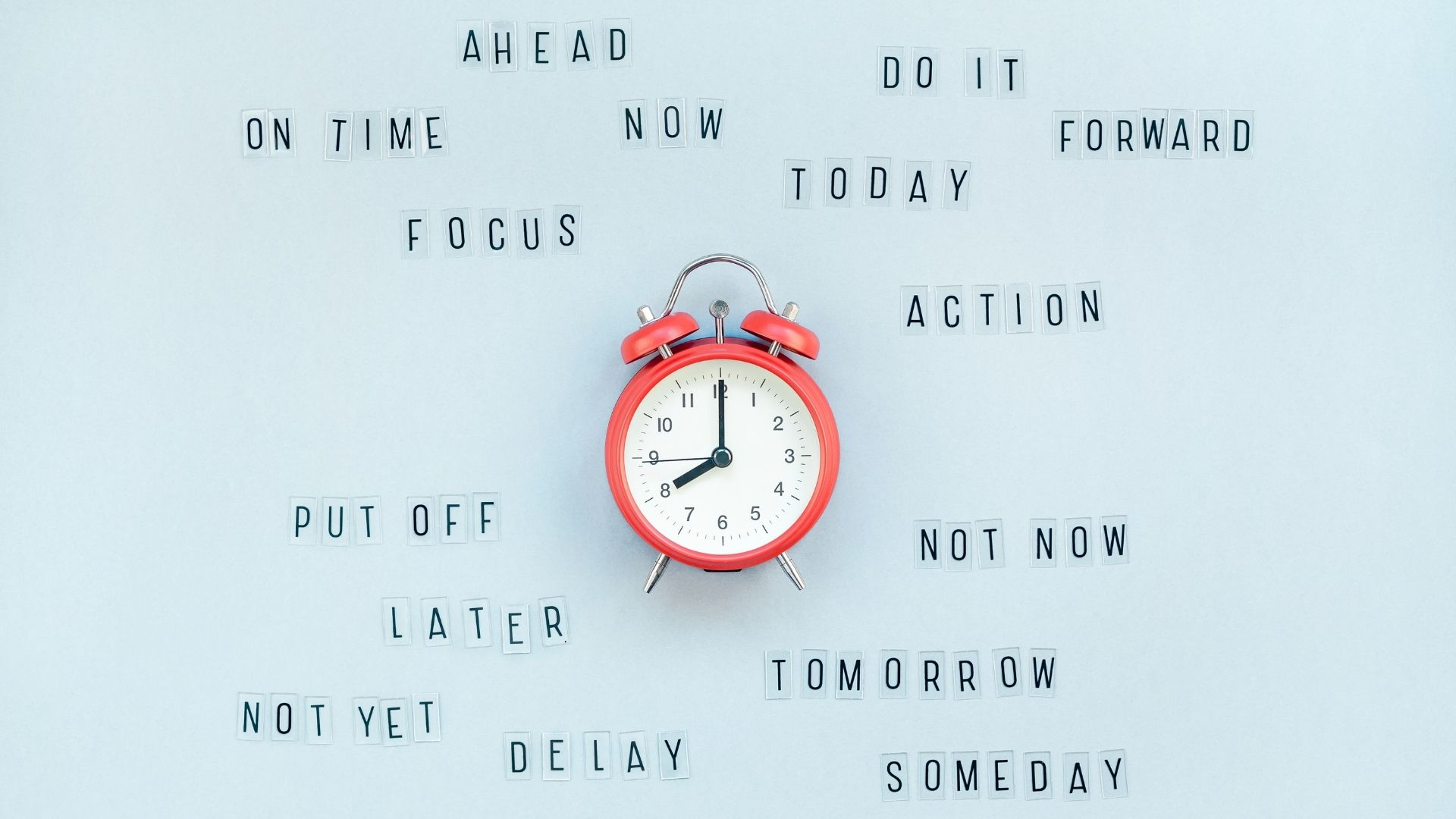
It’s 2:15 pm. You have three unread emails you’ve opened and closed twice. There’s a task on your list you meant to start this morning. You’ve just read the same sentence 8 times. And you have a meeting in 45 minutes that you’re already dreading.
You slept fine. You’re not sick. But you can’t make yourself do anything useful.
That’s not laziness. In most cases, it’s the result of mental exhaustion caused by accumulated decision load. By mid-afternoon, most professionals have already made hundreds of small choices without realising it, and reach a point where they just can’t spend the mental energy to make any more. Sound familiar?
What Is Decision Fatigue at Work?
 Decision fatigue refers to what happens when your brain has processed too many choices. Decision-making quality drops. So does your ability to focus, persist, and follow through.
In a workplace context, this isn’t just about big, highly informed decisions. It’s the dozens of micro-decisions that pile up before you’ve even opened a project file: which email to read first, whether to respond now or later, which meeting request to accept, whether to handle something yourself or pass it on.
Each one draws from the same limited cognitive resource. But the brain doesn’t signal exhaustion the way your legs do after a long run. Instead, it quietly degrades, defaulting to easier options, deferring choices, or avoiding them altogether to limit the mental resources it spends.
One of the most cited illustrations of this comes from a 2011 study published in the Proceedings of the National Academy of Sciences. Researchers analysed over 1,100 parole decisions made by experienced judges and found that favourable rulings dropped from around 65% at the start of each session to nearly zero by the end, then reset to 65% after a break. The researchers attributed this to the cumulative toll of repeated decision-making. The study has since attracted methodological debate, and it’s not a perfect analogy for the office. But it’s a striking real-world illustration of what happens to decision quality when cognitive load builds without relief.
Decision fatigue is not the same as general tiredness, burnout, or procrastination, though it can look like all three. The difference is the cause: it’s the volume and frequency of choices that depletes you, not physical exertion or emotional distress alone.
Why It Gets Worse in the Afternoon
The afternoon slump has two causes that hit at the same time: a natural dip in alertness from your circadian rhythm, and the weight of every decision you’ve already made that day.
Your body’s circadian rhythm produces a predictable drop in alertness in the early-to-mid afternoon, usually between 1 pm and 3 pm. This is biology, not a willpower problem. But for most professionals, that dip lands on top of a morning that’s already been full of decisions.
Think about what a standard morning actually looks like:
- Triaging your inbox
- Accepting or declining meeting requests
- Choosing which task to work on when five things are competing for your attention
- Switching context every time a Slack or Teams notification arrives
- Making calls in meetings without time to think them through
None of these feels like a major decision at the time. That’s the problem. Because they feel minor, we don’t protect against them. And by the time the biological dip hits at 2 pm, the cognitive tank is already close to empty, and decision fatigue occurs.
The result: shallow concentration, avoidance of high-value work, poor decision-making (or a lack of ability to make decisions at all), the inability to stay focused, and the path of least resistance becoming the default.
7 Signs Decision Fatigue Is Killing Your Afternoon Productivity
Recognise a few of these in your own afternoons? You might need to manage decision fatigue.
- You keep re-reading the same email. You’ve opened it three times. Still haven’t replied. It’s not a hard email, nor should it require a high cognitive effort; your brain just can’t commit to a response.
- Small choices feel harder than they should. Picking a meeting time, choosing between two equally fine options, then more mental energy to just decide who to CC. Things that felt easy at 9 am feel weirdly heavy at 3 pm.
- You default to low-value tasks. Tidying your desktop. Reorganising your to-do list. Scrolling through messages you’ve already seen. It feels productive, but nothing important is getting done.
- You keep putting off high-value work. The important project stays untouched. You’ll start after the next meeting. Or tomorrow. Your brain is steering you away from any significant decision or anything that requires sustained effort.
- You’re multitasking badly. Jumping between tasks, half-finishing things, deteriorating quality, losing your thread. This isn’t productivity; it’s a depleted brain avoiding commitment to any single path.
- You feel flat but can’t explain why. Not upset, not physically tired; just hollowed out and unable to concentrate. The trees outside suddenly become the most interesting thing you’ve seen all day.
- You’re avoiding decisions altogether. Deferring, saying “I’ll check with the team,” pushing things to tomorrow, writing yet another sticky note. Avoidance of complex decisions is the brain’s way of protecting itself from more mental load.
The Biggest Workplace Triggers
Decision fatigue doesn’t just happen. Certain workplace patterns generate a disproportionate cognitive load throughout the morning and set up a steep afternoon decline.
- Too many low-stakes decisions early in the day. When trivial choices compete for attention alongside genuinely important ones, and you have to waste time deciding on things that don’t actually matter, cognitive resources get spread thin without meaningful return.
- Reactive inbox behaviour. Treating email as a live feed means your attention is redirected every few minutes. Each interruption triggers a micro-decision: respond, defer, delegate, or ignore?
- Constant chat notifications. Slack and Teams are built for immediacy. That creates a near-constant stream of small decisions about how quickly to respond and what actually needs your attention.
- Meetings with unclear outcomes. Sitting in a meeting where no decisions get made, action items aren’t clear, or your attendance wasn’t necessary burns cognitive resources without any useful output.
- No routine for recurring tasks. Any task you have to figure out from scratch each time it appears adds to the load. Recurring work without a standard process is a significant, overlooked source of drain.
- Unclear decision ownership. When it’s not obvious who’s responsible for a call, decisions get revisited and re-discussed. Everyone involved pays the cognitive cost, and negative consequences follow.
 This is where Priority Management’s Four Ds framework — Do, Defer, Delegate, Delete — earns its keep as a decision-making process. It converts many daily decision points into a single pre-decided rule to avoid choice overload. Instead of evaluating each incoming task fresh, you apply the framework automatically to delegate decisions. The micro-decision load drops significantly.
How to Combat Decision Fatigue Before It Starts
Willpower-based strategies don’t work here. Telling yourself to “just focus harder” ignores the actual mechanism; you can’t push harder through mental fatigue. What works is reducing the number of decisions your brain has to make in the first place.
These strategies work as a system:
- Pre-decide recurring tasks. For anything that happens regularly — weekly reports, status updates, recurring meetings, everyday decisions (even your lunch order) — establish a standard approach once and stick to it. The decision has been made. You don’t need to make it again. Fewer decisions and unnecessary choices.
- Batch similar decisions. Review all meeting requests at 9 am. Process email at set times, such as every 2 hours, rather than continuously. Handle routine approvals in one block. Batching reduces switching costs between decision types.
- Time-block your deep work. Protect time before 11 am — when cognitive resources and therefore decision-making abilities are at their peak — for your highest-priority work. No meetings, no inbox checks. If you want to build better habits and get more done, this is one of the highest-leverage changes you can make.
- Use defaults, templates, and checklists. Wherever a decision can be standardised, standardise it. Email templates for common responses, checklist-driven project kick-offs, and standing agendas for recurring meetings. These are decision-offloading tools.
- Plan tomorrow before you finish today. Spend five minutes at the end of each day identifying your top three priorities for the next morning. This removes the decision about where to start, one of the most draining choices of the day.
- Match task type to cognitive state. Push demanding cognitive work to your high-energy window and lower-stakes tasks to your natural dip period. This isn’t about avoiding afternoon work; it’s about not wasting your best hours on easy stuff.
- Set boundaries around the inbox and meetings. Defined times for checking email. Shorter meetings with clear agendas. A standing policy to decline or delegate meetings where your presence adds no decision value.
A Simple 2 pm Reset Plan for Professionals
When the afternoon flatness hits, most people either push harder to make even more decisions or give up and coast. Neither works.
What works is a short, structured reset. This takes less than ten minutes:
Pause. Stop what you’re doing. Close the tab, step away from the screen for two minutes and take a deep breath. This isn’t procrastination — it’s a deliberate break. Even brief pauses have been shown to measurably restore decision quality.
Prioritise. Look at your remaining afternoon. What are the one or two things that would actually make a difference today or set tomorrow up well? Not your whole list. Just two.
Defer. Move everything that doesn’t need to happen today out of view. Decision fatigue worsens when your brain keeps scanning a long list of unresolved items. Defer them deliberately, not by avoidance.
Move. Get up. Walk to the kitchen. Get outside for five minutes if you can. Brief physical movement improves alertness and reduces decision avoidance. It’s not a luxury — it’s part of the reset.
Refocus. Come back to your two priorities. Set a timer for 25 minutes and start one of them. Just start. That’s enough to break the inertia.
The aim here isn’t peak performance; that window has passed. It’s about recovering enough focus to make sound decisions and protect tomorrow morning.
What Managers Can Do to Reduce Team Decision Load
Decision fatigue isn’t just an individual problem. It’s often a team systems problem. And managers have real leverage to fix it.
Clarify decision rights. Who makes which calls? When ownership is ambiguous, every decision becomes a group exercise. Clearly defined roles — whether through RACI charts, team charters, or explicit agreements — stop the same decisions being relitigated repeatedly.
Cut unnecessary meetings. Before scheduling a meeting, ask whether the outcome can be achieved via an async message or a shared document. Fewer meetings mean fewer context switches and more cognitive capacity for real work.
Document recurring processes. When team processes are written down and standardised, people don’t have to re-decide how to approach the same type of task each time. SOPs are an organisational form of decision offloading.
Establish team focus hours. Designate blocks, even for as little as 2 hours a day, where the expectation is uninterrupted work. No meeting bookings, no immediate Slack responses required. This protects peak cognitive hours across the whole team, not just for individuals disciplined enough to enforce it themselves.
Delegate properly. Handing over a task without handing over the authority to make decisions about it creates extra work for everyone. Every time someone comes back for approval, another decision lands in the manager’s queue. Clear delegation — including decision scope — reduces load on both sides.
Set communication norms. If your team culture expects near-instant responses to every message, the cognitive cost is high. Agreed response windows let people protect their focus without feeling like they’re dropping the ball.
When organisations address the structural sources of decision fatigue — rather than just asking individuals to manage their energy better — the results are more durable.
Afternoon Underperformance Is a Systems Issue, Not a Personal Flaw
 The 2 pm slump, the inbox paralysis, the afternoon procrastination; these aren’t character flaws. They’re predictable outcomes of how most workplaces are designed: high volumes of low-quality decisions distributed across the day, with no structural protection for cognitive resources.
Good time and energy management reduces the number of decisions your brain has to make, and improves the quality of the ones that remain. That means better routines, clearer processes, smarter defaults, and stronger decision frameworks built into how you and your team work.
It’s not a motivation problem. It’s a systems problem.
If you’re ready to build more sustainable ways of working for yourself or your team, Priority Management’s Time Management and Energy Management training programmes give you practical frameworks you can apply straight away. Get in touch to find out what’s right for your team.
Frequently Asked Questions
What is decision fatigue at work? It’s the drop in decision quality and focus that happens after processing too many choices throughout the day. Small workplace decisions — emails, meeting requests, task priorities — accumulate and deplete cognitive resources in the same way big decisions do, often without you noticing until your afternoon productivity falls off a cliff.
Why do I lose focus in the afternoon? Two things happen at once. Your circadian rhythm produces a natural alertness dip between roughly 1 pm and 3 pm. And by that point, your brain has already processed a morning’s worth of decisions. The two effects compound each other.
How do I reduce decision fatigue during the workday? Reduce the number of decisions you have to make rather than trying to push through the fatigue. Batch similar tasks, create templates for recurring work, protect your peak-focus hours, and plan tomorrow before you finish today. When the afternoon flatness hits, use the Pause–Prioritise–Defer–Move–Refocus reset above.